
1.3K
Downloads
28
Episodes
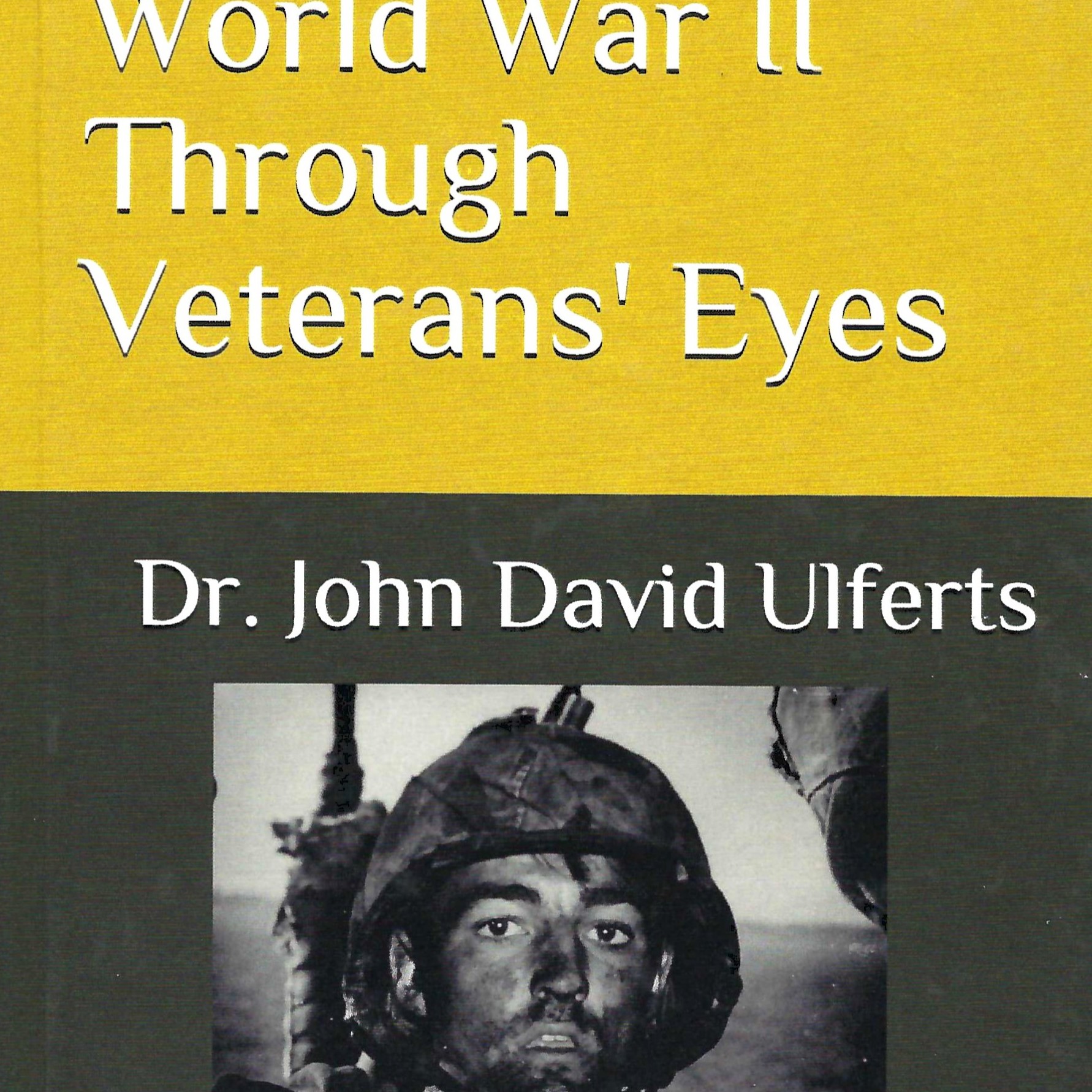
World War II was a pivotal moment in world history, when not only the survival of the United States was at stake, but of democracy throughout the world. Had the Allies lost WW II, fascism would have engulfed the world even as genocide would have robbed humanity of its diversity. WW II veterans live again through these short podcasts, which like the accompanying book of the same name, tell their incredible stories of valor and sacrifice. Each riveting podcast tells the story of WW II through the eyes of those who fought it. They were called the greatest generation for a reason. The host invites you to email him at drjohnu64@gmail.com.
Episodes

Saturday Sep 06, 2025
Saturday Sep 06, 2025
When Germany unconditionally surrendered and Victory in Europe or VE Day was announced on May 8, 1945, American GIs were in a mood to celebrate. For Russell Darks in France and Charlie Toole in London, it was an unforgettable night of celebrations. But, in Germany, Murray Shapiro found that German civilians had nothing to celebrate, and all was quiet. Tom Carr wanted to celebrate, but he was recovering from war injuries in a Czechoslovakian hospital. Within days of VE-Day, Tom Morris had to establish a camp for German POWs and civilian refugees who now numbered in the thousands. Lloyd Huggins was already questioning whether the Soviet soldiers, our so-called allies, were any better than the Germans we defeated when he was kept awake all night by the screams of German women being raped in the Soviet occupied quarter. Harry Koty figured he was pretty lucky. His 97th Infantry Division was one of the first to be sent home to the US. Then, he learned they were sent home so quick so they could be redeployed in the Pacific. But his luck continued. En route, the Japanese surrendered and Koty had an enviable assignment once he arrived to occupied Japan – guarding a house full of Geisha girls and preventing GIs from visiting them. The invasion of mainland Japan was expected to be costly for both American and Japanese lives. 370,000 Purple Heart medals were ordered by the U.S. Army in preparation for the invasion. They weren’t needed. Instead, the US became the only country in history to drop the atomic bomb first in Hiroshima killing 80,000, then in Nagasaki, killing 70,000. Almost all of the dead were civilians. Fearful that more cities would soon be obliterated, Japan quickly surrendered. While the US action remains controversial even today, most GIs supported the decision crediting the dropping of the bombs with saving their lives and that of their buddies. But some GIs saw the dropping of the atomic bombs on innocent civilians as an immoral, dirty act, and would have preferred to have kept fighting. In any case, all of the GIs fighting in the Pacific were glad the war was finally over when VJ-Day was announced. These stories and more in Part 2 of our Victory at Last episode.
Russell Darkes

Murray Shapiro

Charlie Toole

Tom Carr

Tom C. Morris

Lloyd Huggins

Harry Koty

Robert B. Nett

Joe Lawhn

Ralph Keller

Rex Whitehead

James and Eva Mae Spaulding

Raymond Komro

Charles Wysocki

No comments yet. Be the first to say something!